// Mold Inspection
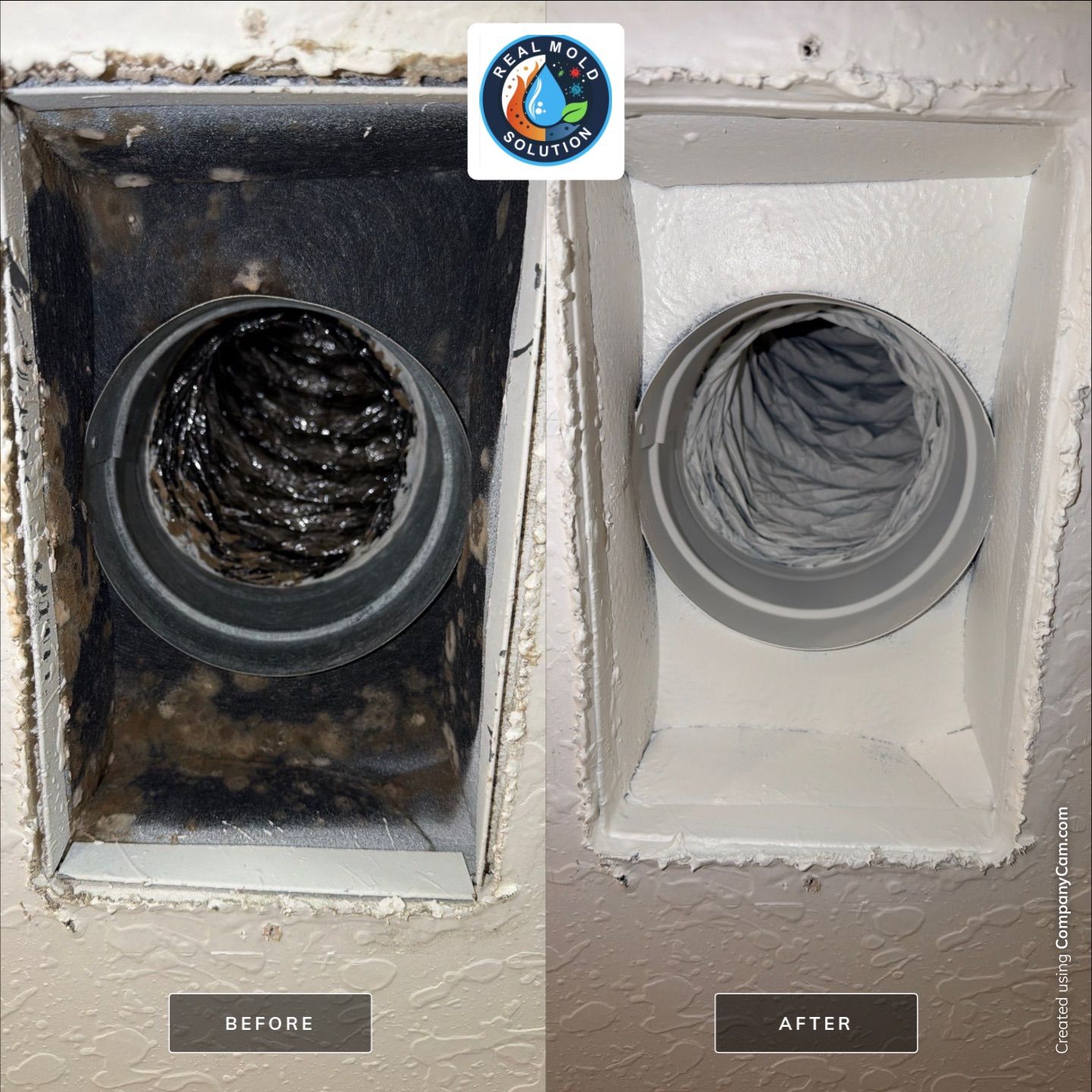
Field: HVAC vent & ductwork inspection · Orlando, FL
Beyond visible spots: 5 hidden mold signs Florida homeowners miss — musty smells, allergy patterns, water stains, peeling paint, and HVAC issues. Free inspection in Orlando.
Field: HVAC vent & ductwork inspection · Orlando, FL
Most Florida homeowners assume mold is something you can see — black or green spots on a wall or ceiling. But by the time mold becomes visible, it has typically been growing for weeks or months behind drywall, in attics, or under flooring. Here are the five hidden signs that should prompt a free mold inspection.
The most reliable early indicator. Microbial volatile organic compounds (mVOCs) released by actively growing mold colonies create a distinctive earthy, basement-like smell. If your home smells musty even when nothing is visibly wrong, that's your nose detecting active mold somewhere out of sight. The smell is often strongest near the source — bathrooms, attics, behind built-in cabinets, or near HVAC vents.
Mold spores trigger respiratory symptoms in many people. The pattern that points to indoor mold: symptoms (sneezing, congestion, coughing, eye irritation, asthma flares) that get worse when you're home and improve when you're away. If your allergies disappear when you travel and return when you walk through your door, the cause is likely indoor.
Any past water event — even one that "dried up" — can have left mold growing behind the wall. Florida humidity keeps materials damp longer than most homeowners realize. An old water stain on a ceiling, baseboard, or under a sink is reasonable suspicion of hidden mold. Tape lifts and moisture readings tell the real story.
Paint and wallpaper bubbling, peeling, or discoloring (especially in bathrooms or near plumbing) signals trapped moisture. Where there's sustained moisture in Florida, mold follows. Warped baseboards, swollen drywall, or bowing wood floors all indicate moisture penetration.
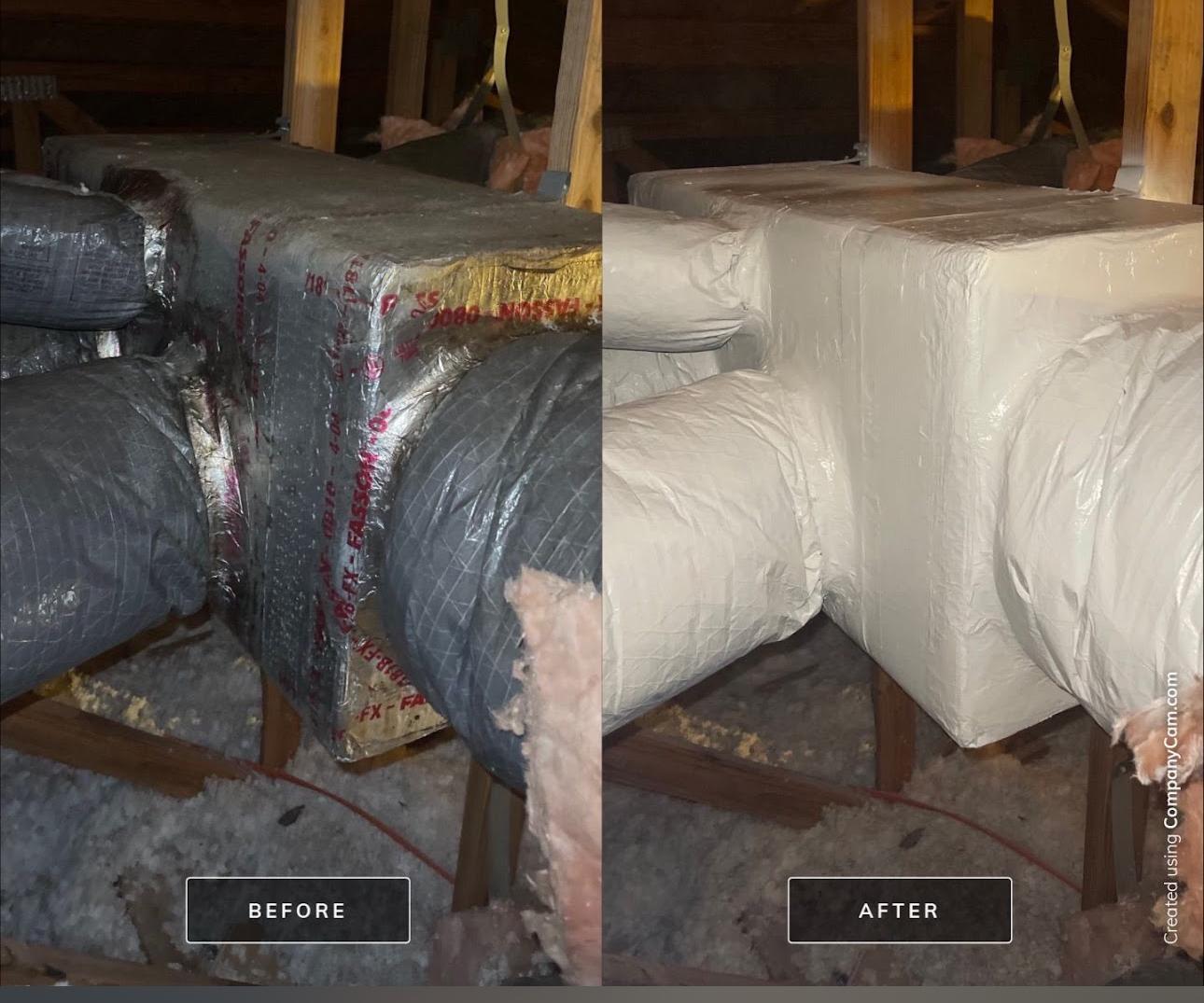
HVAC systems in Florida run nearly year-round. Condensation drip pans, sweating ductwork, or indoor humidity above 60% creates ideal mold growth conditions. If your AC is constantly dripping, your air handler closet smells musty, or condensate lines are clogged — the moisture has to go somewhere, and mold is often the answer.
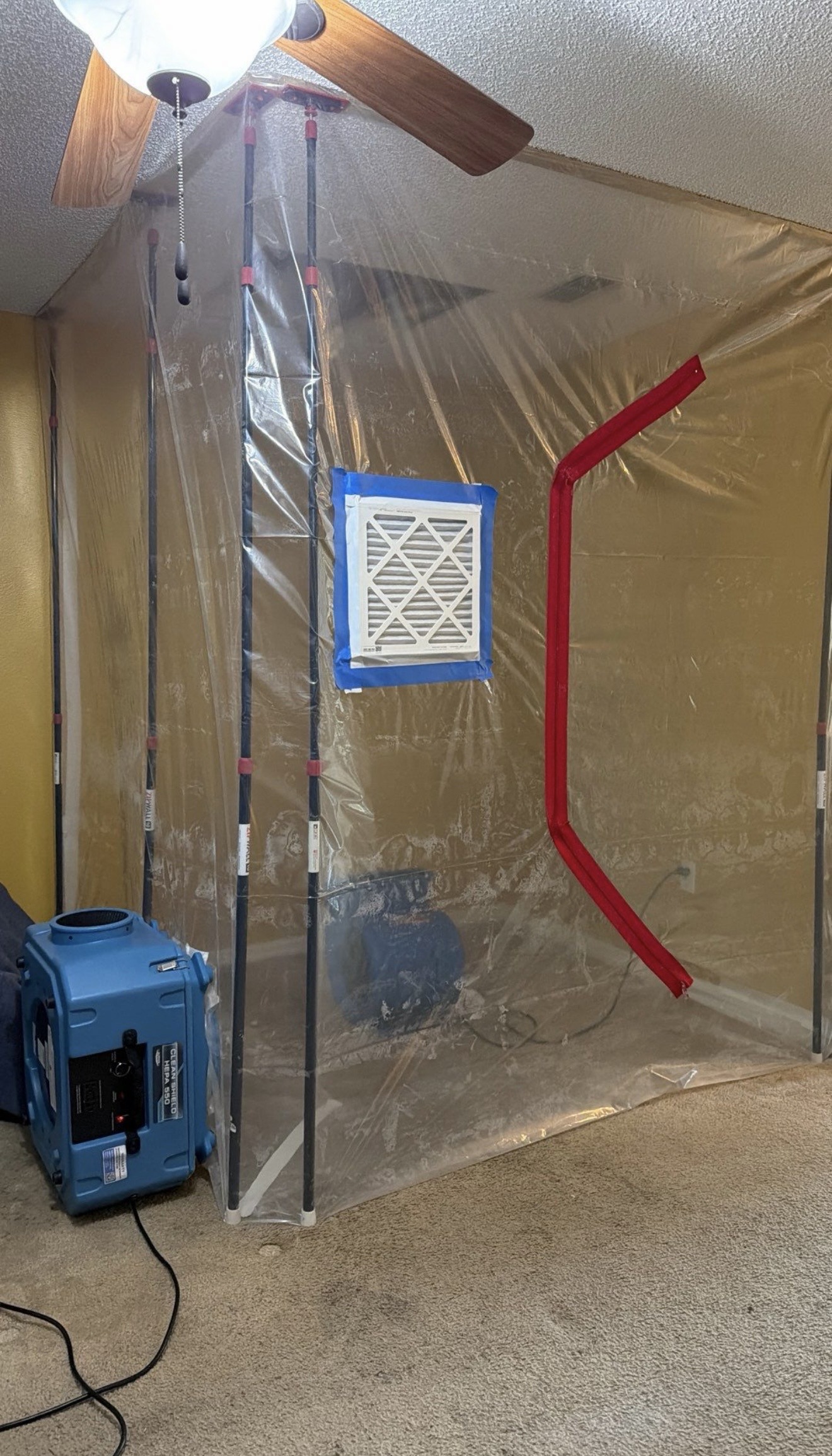
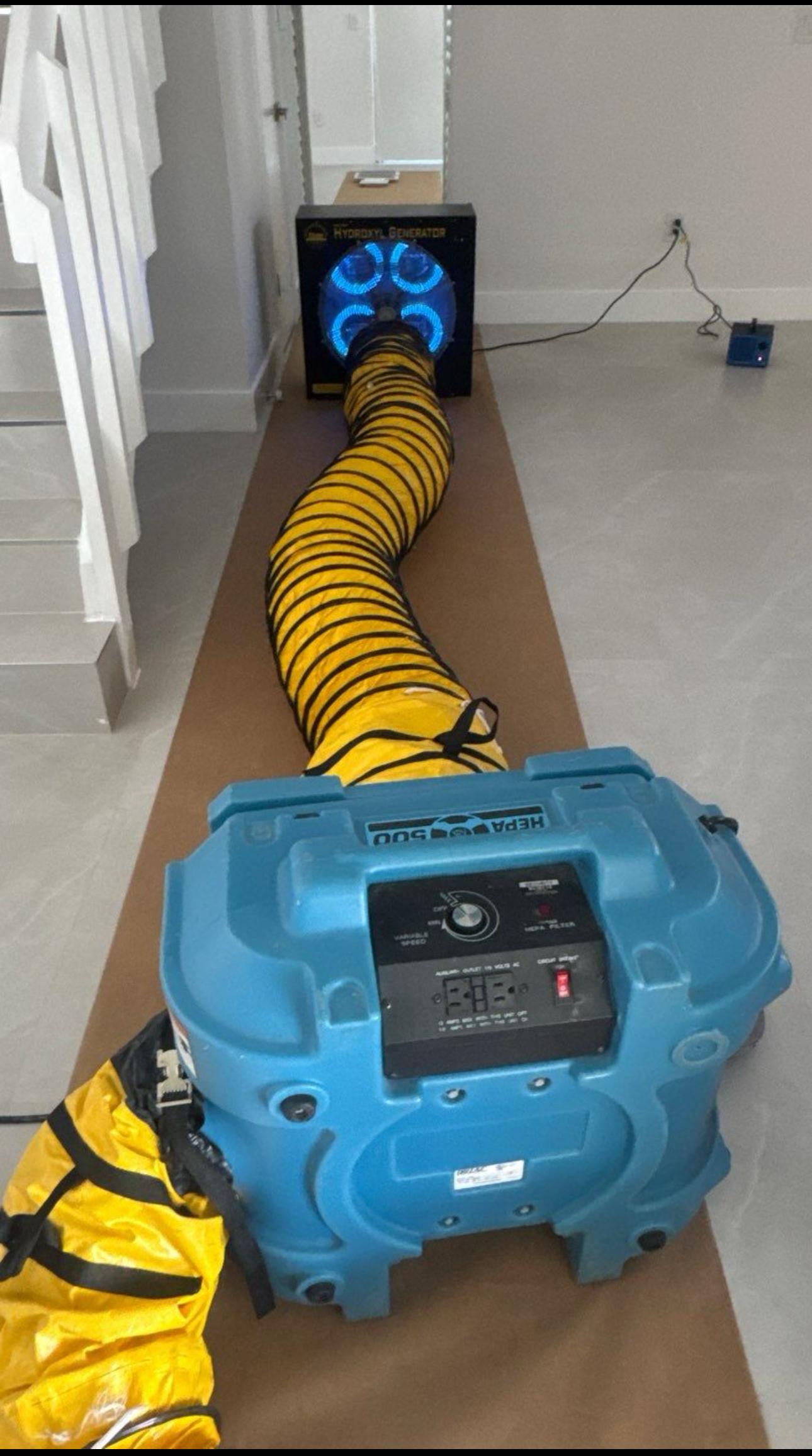
If our inspection confirms active mold growth, you receive a written scope of work with line-item pricing. Our IICRC-certified remediation protocol contains, removes, treats, and verifies — with independent lab clearance available on every remediation. 1-year warranty in writing.
Real Mold Remediation dispatches to 15+ Central Florida cities from our Orlando HQ and Kissimmee office. Same-day · IICRC certified · 1-year warranty.
The most common questions, answered straight. No legal hedging.
Hidden mold signs in Florida often appear before visible growth: persistent musty or earthy odor especially when AC runs, recurring respiratory symptoms (sinus congestion, sneezing, eye irritation) that improve when leaving home, water stains or discoloration on walls/ceilings, peeling paint or wallpaper, warped baseboards or hardwood floors, increased indoor humidity over 60% despite AC running, condensation on window sills or AC vents, dark spots in grout or caulk lines, soft or spongy drywall when probed, and bug or insect attraction patterns (some species feed on mold). Florida's humid climate amplifies these signals — what would be subtle elsewhere becomes diagnostic here.
Yes — and it's extremely common in Florida. Mold thrives behind walls, under flooring, inside HVAC ductwork, in attic spaces, beneath bathroom and kitchen cabinets, around plumbing penetrations, in basement and crawl-space areas, and within wall cavities behind furniture or fixtures. Florida's 60–85% humidity means mold can grow on cardboard storage, untreated wood, insulation, or paper-faced drywall for months before becoming visible. Thermal imaging during professional inspection identifies hidden moisture (the precursor to mold growth), and air sampling identifies elevated spore counts even without visible source — both are essential for thorough diagnosis.
Thermal imaging (FLIR cameras during professional inspection) detects hidden mold indirectly by identifying moisture — the prerequisite for mold growth. Wet drywall, saturated insulation, and active leaks appear as cooler patches (evaporation cools surfaces) on thermal scans, even when invisible to the naked eye. Pin-point moisture meters then verify suspect areas with quantified readings. Direct mold detection requires cutting access or borescope inspection of identified areas, with air sampling confirming presence via AIHA-accredited lab analysis. Thermal imaging alone doesn't confirm mold — it directs investigation to high-probability locations. This non-invasive diagnostic approach is standard for Florida inspections.
Request a professional mold inspection in Central Florida when: persistent musty odor that doesn't resolve with cleaning, respiratory symptoms among multiple family members or pets that improve when leaving home, any water damage event regardless of how minor (mold begins forming in 24-48 hours), recent storm or hurricane impact on roof/windows, post-purchase home inspection within first 90 days, before listing a home for sale, when humidity stays above 60% despite AC running normally, after roof or plumbing repairs, or when energy bills spike unexpectedly (indicates AC system stress that often correlates with moisture issues). Free inspection for owners/property managers/Realtors.
Five rooms or zones in Central Florida homes are highest risk for hidden mold: (1) bathrooms — especially behind shower walls, under sinks, around toilet bases, and in exhaust fans venting into attic instead of outside, (2) kitchens — behind dishwashers, refrigerators with ice makers, and under sinks with slow-leak plumbing, (3) laundry rooms — behind washing machines with deteriorating supply lines, around dryer vent transitions, (4) attics — around AC condensate routing, near roof valleys with undetected leaks, behind blocked soffit vents, (5) basements/crawlspaces if present — ground moisture, sump pump areas, and around foundation walls. AC closets and air handler areas round out the top zones requiring inspection.